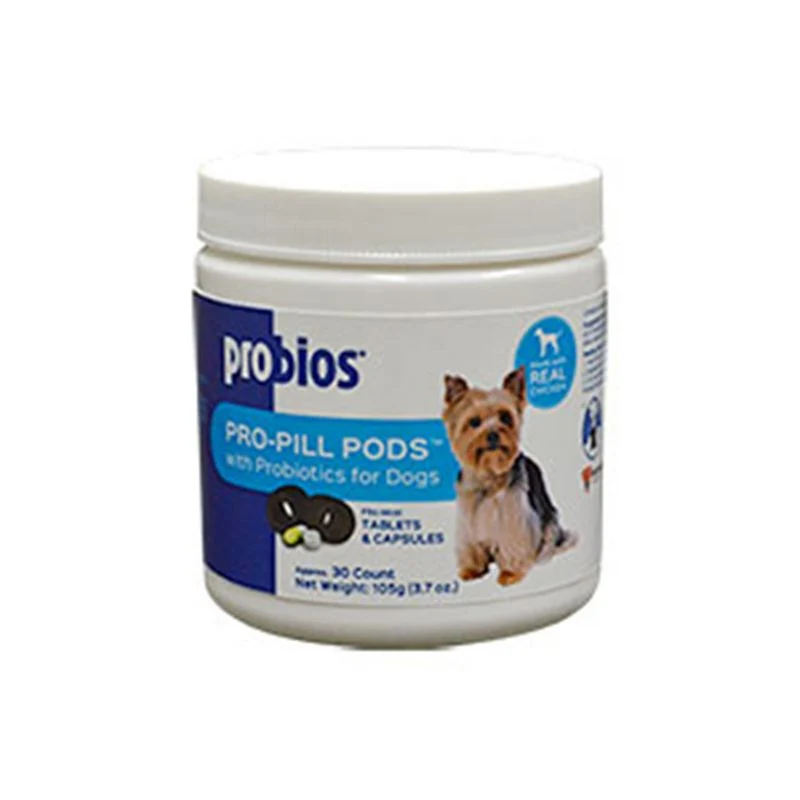

Original: $11.24
-70%$11.24
$3.37The Story
Each gram of gentamicin-betamethasone-clotrimazole ointment contains gentamicin sulfate, USP equivalent to 3 mg gentamicin base; betamethasone valerate, USP equivalent to 1 mg betamethasone; and 10 mg clotrimazole, USP in a mineral oil-based system containing a plasticized hydrocarbon gel.
Clinical and experimental data have demonstrated that corticosteroids administered orally or parenterally to animals may induce the first stage of parturition if used during the last trimester of pregnancy and may precipitate premature parturition followed by dystocia, fetal death, retained placenta and metritis.
If overgrowth of nonsusceptible bacteria, fungi or yeasts occur, or if hypersensitivity develops, treatment should be discontinued and appropriate therapy instituted.
Administration of recommended doses of gentamicin-betamethasone-clotrimazole ointment beyond 7 days may result in delayed wound-healing.
Avoid ingestion. Adverse systemic reactions have been observed following the oral ingestion of some topical corticosteroid preparations. Patients should be closely observed for the usual signs of adrenocorticoid overdosage which include sodium retention, potassium loss, fluid retention, weight gain, polydipsia and/or polyuria. Prolonged use or overdosage may produce adverse immunosuppressive effects.
Use of corticosteroids, depending on dose, duration, and specific steroid, may result in endogenous steroid production inhibition following drug withdrawal. In patients presently receiving or recently withdrawn from corticosteroid treatments, therapy with a rapidly acting corticosteroid should be considered in especially stressful situations.
Before instilling any medication into the ear, examine the external ear canal thoroughly to be certain the tympanic membrane is not ruptured in order to avoid the possibility of transmitting infection to the middle ear as well as damaging the cochlea or vestibular apparatus from prolonged contact.
Side Effects:
Gentamicin: While aminoglycosides are absorbed poorly from skin, intoxication may occur when aminoglycosides are applied topically for prolonged periods of time to large wounds, burns, or any denuded skin, particularly if there is a renal insufficiency. All aminoglycosides have the potential to produce reversible and irreversible vestibular, cochlear and renal toxicity.
Betamethasone: Side effects such as SAP and SGPT enzyme elevations, weight loss, anorexia, polydipsia, and polyuria have occurred following the use of parenteral or systemic synthetic corticosteroids in dogs. Vomiting and diarrhea (occasionally bloody) have been observed in dogs and cats.
Cushing’s syndrome in dogs has been reported in association with prolonged or repeated steroid therapy.
Clotrimazole: The following have been reported occasionally in humans in connection with the use of clotrimazole: erythema, stinging, blistering, peeling, edema, pruritus, urticaria, and general irritation of the skin not present before therapy.

Details & Craftsmanship
Every detail has been carefully considered to bring you the perfect product.

Details & Craftsmanship
Every detail has been carefully considered to bring you the perfect product.
Description
Each gram of gentamicin-betamethasone-clotrimazole ointment contains gentamicin sulfate, USP equivalent to 3 mg gentamicin base; betamethasone valerate, USP equivalent to 1 mg betamethasone; and 10 mg clotrimazole, USP in a mineral oil-based system containing a plasticized hydrocarbon gel.
Clinical and experimental data have demonstrated that corticosteroids administered orally or parenterally to animals may induce the first stage of parturition if used during the last trimester of pregnancy and may precipitate premature parturition followed by dystocia, fetal death, retained placenta and metritis.
If overgrowth of nonsusceptible bacteria, fungi or yeasts occur, or if hypersensitivity develops, treatment should be discontinued and appropriate therapy instituted.
Administration of recommended doses of gentamicin-betamethasone-clotrimazole ointment beyond 7 days may result in delayed wound-healing.
Avoid ingestion. Adverse systemic reactions have been observed following the oral ingestion of some topical corticosteroid preparations. Patients should be closely observed for the usual signs of adrenocorticoid overdosage which include sodium retention, potassium loss, fluid retention, weight gain, polydipsia and/or polyuria. Prolonged use or overdosage may produce adverse immunosuppressive effects.
Use of corticosteroids, depending on dose, duration, and specific steroid, may result in endogenous steroid production inhibition following drug withdrawal. In patients presently receiving or recently withdrawn from corticosteroid treatments, therapy with a rapidly acting corticosteroid should be considered in especially stressful situations.
Before instilling any medication into the ear, examine the external ear canal thoroughly to be certain the tympanic membrane is not ruptured in order to avoid the possibility of transmitting infection to the middle ear as well as damaging the cochlea or vestibular apparatus from prolonged contact.
Side Effects:
Gentamicin: While aminoglycosides are absorbed poorly from skin, intoxication may occur when aminoglycosides are applied topically for prolonged periods of time to large wounds, burns, or any denuded skin, particularly if there is a renal insufficiency. All aminoglycosides have the potential to produce reversible and irreversible vestibular, cochlear and renal toxicity.
Betamethasone: Side effects such as SAP and SGPT enzyme elevations, weight loss, anorexia, polydipsia, and polyuria have occurred following the use of parenteral or systemic synthetic corticosteroids in dogs. Vomiting and diarrhea (occasionally bloody) have been observed in dogs and cats.
Cushing’s syndrome in dogs has been reported in association with prolonged or repeated steroid therapy.
Clotrimazole: The following have been reported occasionally in humans in connection with the use of clotrimazole: erythema, stinging, blistering, peeling, edema, pruritus, urticaria, and general irritation of the skin not present before therapy.